


New Product Development Training “NPD Skills”
EDITION 2025
Are you ready to take your skills in food innovation to the next level?
The NPD Skills Training program is designed for professionals from RIS countries who want to apply what they learn right away. With 8 practical, hands-on courses, you’ll explore everything from AI-powered product design to regenerative agrifood models and project management.
Choose the courses that match your goals—or complete all of them to cover the full EIT Food Competency Framework.
Learn by doing, connect with fellow professionals, and bring your ideas to life with guidance from industry experts.
Recruitment & Updates
NPD Skills Training
EIT Food Learning Services
Course One-Pagers
NPD Skills Training 2025 Portfolio
Live Online Courses in English
- Consumer-Centric Design in NPD & AI
- Project Management for NPD: Strategy, Execution, and AI Integration
- AI for Functional Food Development
- Food Design, Senses & AI
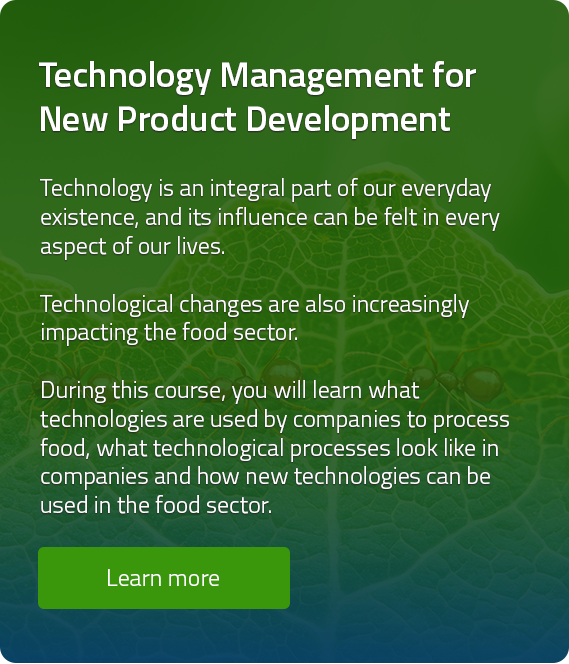
- Technology Management for New Product Development
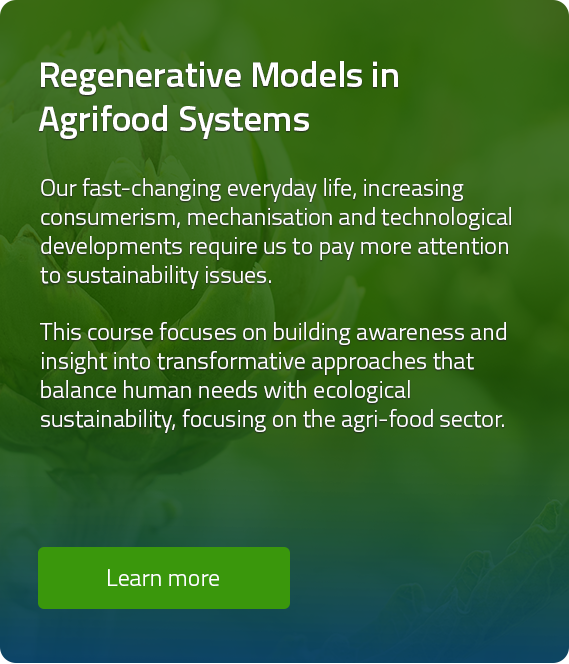
- Regenerative Models in Agrifood Systems
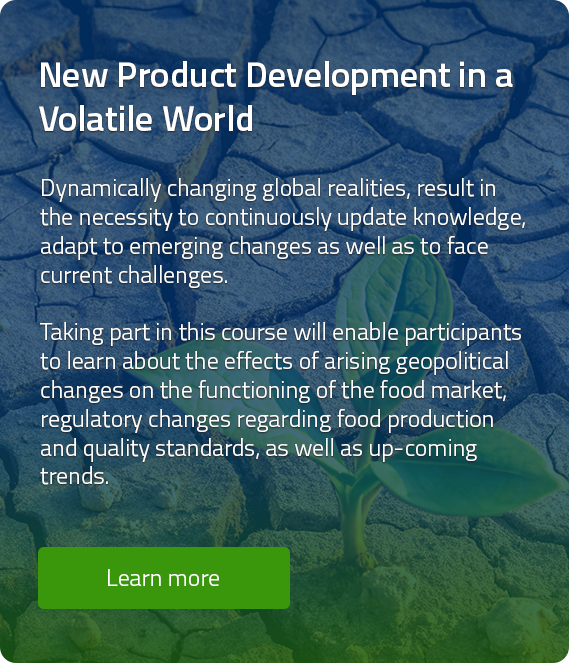
- New Product Development in a Volatile World
E-learning Online Course In English
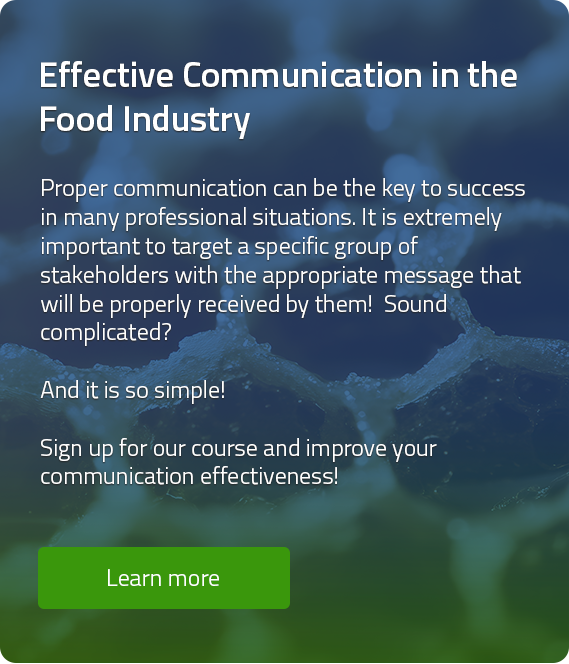
- Effective Communication in the Food Industry
- Sensory Evaluation & AI
- Navigating NPD and Food Safety
- New Product Development Process Fundamentals
In-person course in Italian
- Modelli rigenerativi nei sistemi agroalimentari
NPD Skills Training 2025 Highlights
2025 was a breakthrough year for NPD Skills Training. Our programme continued to scale, diversify, and strengthen its role as a leading source of New Product Development expertise for food professionals across RIS countries. With more formats, more flexibility, and more opportunities to learn, this year marked our most ambitious and impactful edition yet.
One of the biggest highlights of 2025 was the launch of our EdTech Pack, a set of short, focused, self-standing courses that allow professionals to quickly build core NPD skills. All courses are open for enrolment and available until 31 December 2025.
Introducing the EdTech Pack: Microlearning for Modern NPD
Effective Communication in the Food Industry
- Sharpen your communication and leadership skills to drive innovation.
NPD Skills Training – Effective Communication in the Food Industry | EIT Food Learning Services
Sensory Evaluation & AI
- Learn how sensory science and AI support smarter product decisions.
NPD Skills Training – Sensory Evaluation & AI | EIT Food Learning Services
Navigating NPD and Food Safety
Understand the essentials of embedding food safety into the NPD cycle
NPD Skills Training – Navigating NPD and Food Safety | EIT Food Learning Services
New Product Development Process Fundamentals
Build a strong foundation in the essential steps and frameworks of NPD.
NPD Skills Training – New Product Development Process Fundamentals | EIT Food Learning Services
These microlearning modules give you instant access to high-quality content, real examples, and practical tools
- anytime, anywhere.
Impact That Keeps Growing
2025 was our most successful year to date.
✔ Increasing interest in both live and self-paced formats
✔ Continued high satisfaction and learner engagement
✔ Over 400 participants completed NPD Skills Training
✔ A growing community across multiple RIS countries
Inside the NPD Skills Program 2025









Who Should Apply?
This program is designed for professionals in the food industry who are eager to enhance their skills and contribute to innovation. Ideal candidates should:
- Work in the food sector, whether in a company, academia, or a research institute.
- Have an entrepreneurial mindset, a proactive approach to problem-solving, and be willing to share knowledge with fellow participants.
- Possess relevant expertise in the food industry. (Check each workshop against the Competency Framework to ensure alignment with your experience and learning goals.)
- Have proficiency in English, as all courses will be conducted in this language.
- Be a citizen of one of the RIS countries, including:
Eligible Countries:
- EU Member States: Bulgaria, Croatia, Cyprus, Czech Republic, Estonia, Greece, Hungary, Italy, Latvia, Lithuania, Malta, Poland, Portugal, Romania, Slovakia, Slovenia, Spain.
- Horizon Europe Associated Countries: Montenegro, North Macedonia, Serbia, Turkey, Ukraine, Albania, Bosnia and Herzegovina, Israel.
- Outermost Regions: Guadeloupe, French Guiana, Réunion, Martinique, Mayotte, and Saint-Martin (France); the Azores and Madeira (Portugal); the Canary Islands (Spain).
-
What You’ll Gain
- Become an expert on New Product Development!
- Learn how to create and execute NPD projects by understanding the market and consumer needs!
- Learn about the latest technologies and innovative processes that will support new product development in food markets!
- Discover how to handle competing project requirements and constraints!
- Learn from successful and unsuccessful product development case studies!
- Team up with other professionals from RIS countries with diverse backgrounds and identify how to meet the needs of food sector customers!
- Network and share your experiences with managers, scientists, and other experts working in the agri-food industry!
- Apply your new knowledge to contemporary issues during a real NPD process and make a difference!
- Get a Certificate of Successful Completion!
Project Management for NPD: Strategy, Execution, and AI Integration
FACTS
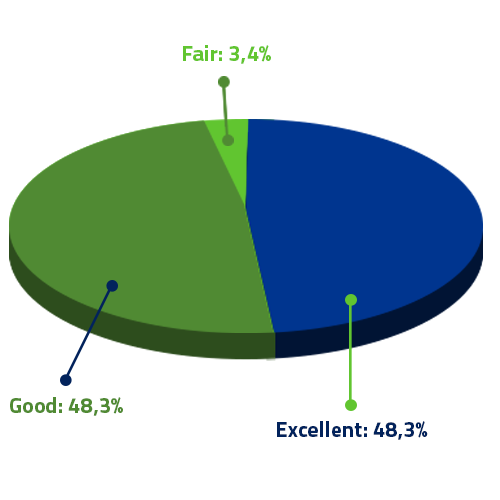
More than 96% of the participants rated their overall experience of taking part in the course as excellent and good!
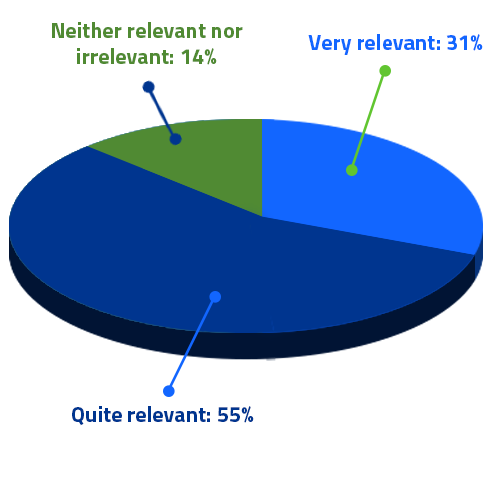
More than 55% of the participants said that the course content was quite relevant for their current or future employment position!
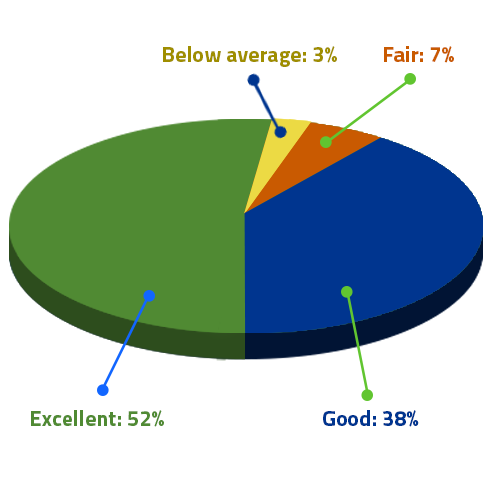
More than 52% of the participants agreed that the course content was excellently chosen!
Participants rated the organisation of the course very well, with an average score of 4.59!

What did our participants learn from the course?

„ There is no one proper way to manage project but each of them could lead to proper outcome.”
„ Managing a project require many trials simulations”
„ Project management requires strong risk management. The risk of uncertainty can be mitigated to some extent by IT solutions, what we saw during the course. Especially those one with an AI component, which gives a hope for the future. So, for sure I will further explore this AI Tools to manage my future projects.”
„ The course was useful to me in several respects: I got a more detailed overview of the causes that lead to project failure and how to avoid certain problems especially with which tools to do so.”
„ More methodical project planning, involving a computer in the timeline development instead of just guessing, although just guessing does take less time.”
FIGURES
How would you rate your overall experience?
How relevant was the content of this course for your current or future employment position?
How would you rate the content experience?
Consumer-Centric Design in NPD & AI
FACTS
More than 64% of participants said that taking part in the course was an excellent experience!
Participants rated the organisation of the course very well, with an average score of 4.54!
More than 62% of the participants agreed that the course content was excellently chosen and 59% of the respondents additionally admitted that it was highly relevant for their professional position.
What did our participants learn from the course?
„The use of AI in product development, prompts & concept building with customer in mind”
„We must think what our consumer needs, rather than create a product and then think who can be the potential consumer”
„Understanding how to integrate consumer-centric design principles into the product development process using AI tools. This will enable me to create products that are more aligned with consumer preferences and market trends.”
„Pull and push approach and better understanding how to create users’ personas”
„Embrace other opinions, listen a lot and experiment out of the box with help of AI”
FIGURES
How would you rate your overall experience?
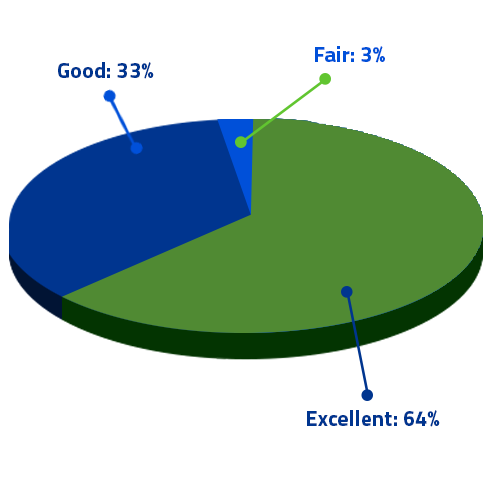
How would you rate the content experience?
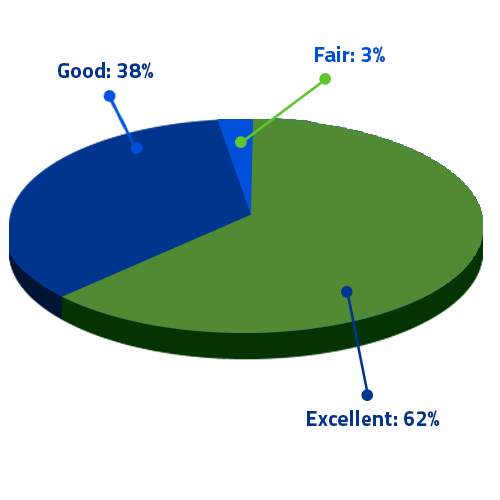
How relevant was the content of this course for your current or future employment position?
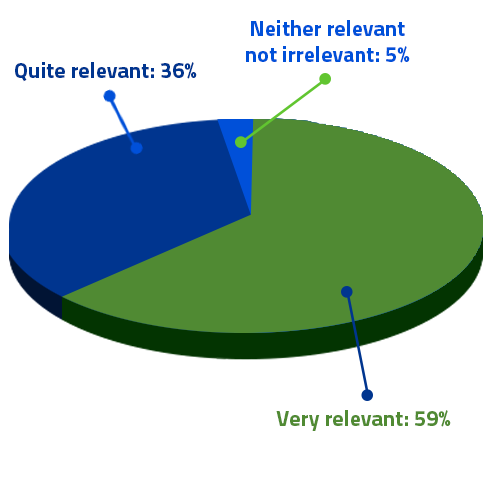
How well was the course organised?

4.54
Are you ready to take your NPD skills to the next level?
OUR PARTNERS